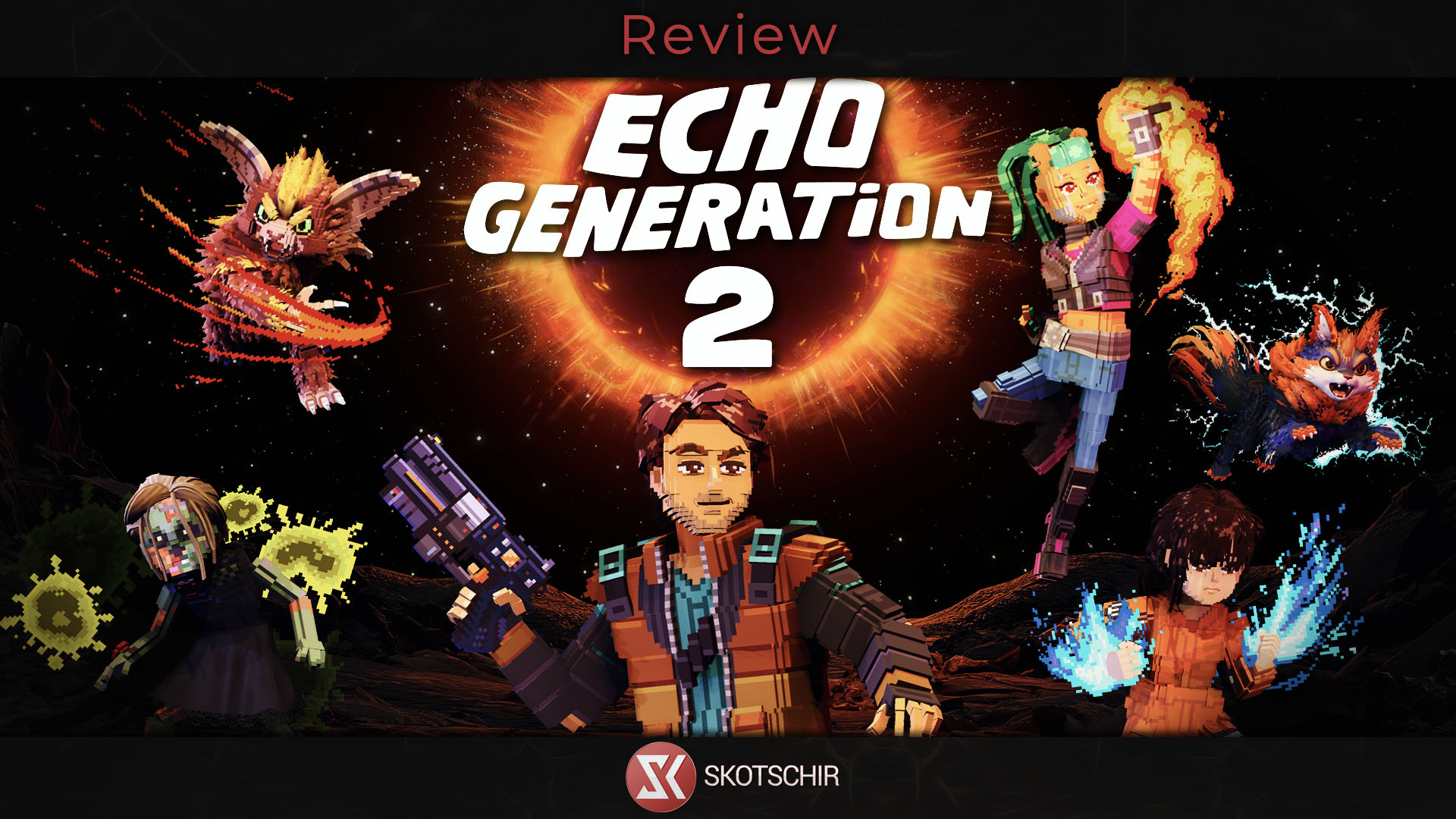
With Echo Generation 2, developer Cococucumber has released a sequel to the nostalgic 80s style game from 2021.
Echo Generation 2 aims to build on the success of the first installment from 2021. The fact that there’s a sequel at all came as something of a surprise. While the predecessor was well-received, it didn’t exactly rack up impressive sales figures. That’s why the development studio is trying a few new things and has come up with some surprises. Most notably, the sequel moves away from the turn-based combat of the first game and introduces a deck-building card game mechanic. Furthermore, while it’s technically a sequel by title, it’s actually more of a prequel to its predecessor, set years earlier. We got a sneak peek at the game and will let you know if it’s worth a second look.
Four Instead of Two
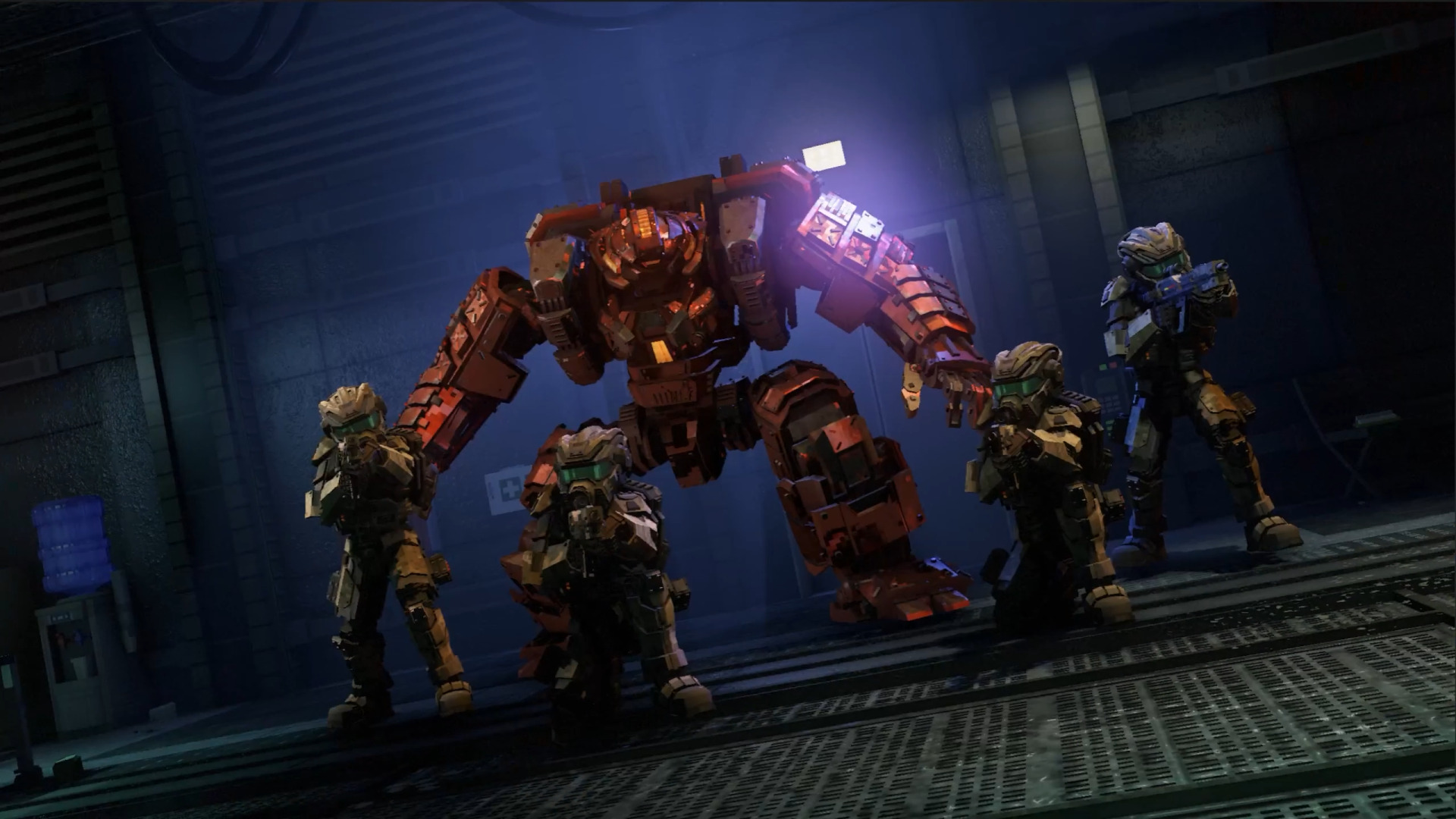
Unlike in the first game, in *Echo Generation 2* we take on the roles of four different characters right from the start—though Dylan and Lily from the first game aren’t among them. Instead, the prequel is divided into chapters, each focusing on a different protagonist. Among them is “Sister M”—a young girl who grew up in the secret research facility we know from the first game. She must use her special mental abilities to escape from this facility. Jack, on the other hand, shows us how he mysteriously disappeared all those years ago. Annata Z, meanwhile, is a zombie wandering the world in search of her child, while Noliva is an interstellar bounty hunter on the verge of a discovery that will change her entire life. At first glance, these four characters seem unrelated, but their storylines eventually converge.
In and of themselves, the four different stories of the main characters already seem interesting, and this becomes evident as the game progresses. The characters’ unique settings provide constant variety and, with it, a breath of fresh air. The developers certainly had grand narrative ambitions, and they bring these together through the four characters. As a result, they consistently manage to keep us glued to the screen, wondering what will happen next. Unfortunately, the convergence of the storylines leaves us with more questions than answers, as it feels rather abrupt.
Jack and the Others
This impression arises mainly because Jack’s story spans several chapters, while the others are each given only a single chapter. As a result, the stories can’t really unfold and instead feel more like mere afterthoughts. Even worse off than the other three characters, however, are the villains—a trio of extradimensional beings. They’re introduced in spectacular fashion at the beginning but end up in a rushed boss fight without us ever really learning more about this trio’s motivations. There was clearly potential for much more here.
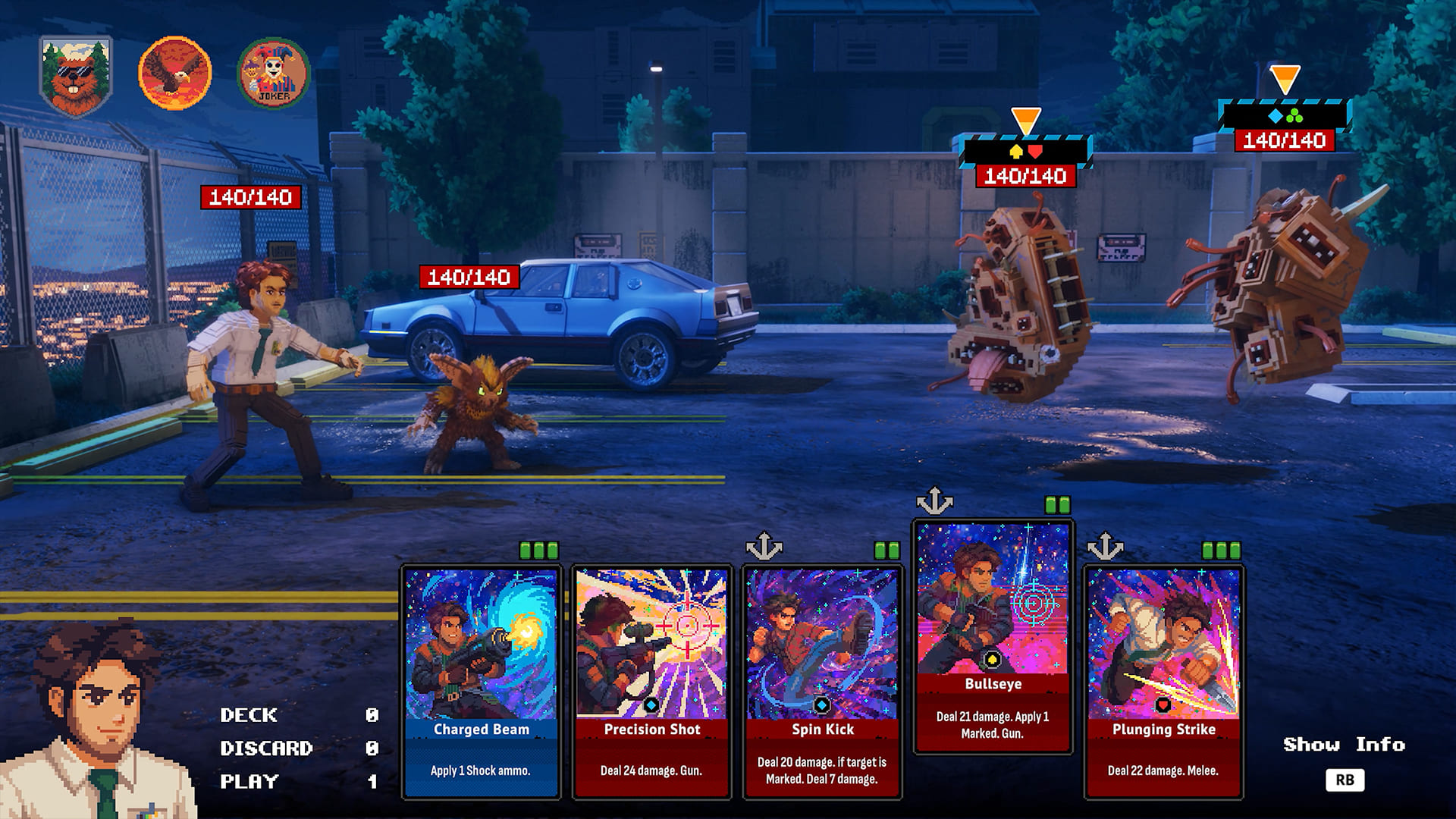
Speaking of which, the combat system also causes frustration from time to time as the game progresses. The concept of fighting with cards is interesting in and of itself, but the pacing here is completely off. In combat, we use a deck consisting of twelve cards, each offering different abilities. These include attacks, of course, but also defenses and healing for our own allies. Some cards can only be played a limited number of times per battle, while others have no restrictions. However, only a single opponent or ally can act and play cards per round. Once it’s been one of our characters’ turns, it’s the opponent’s turn next, and so on. As a result, numerical superiority can’t really make a difference. This also makes battles take longer than necessary. It takes three full rounds for every opponent in a group of three to have had a turn.
Light and Shadow
One positive aspect of the combat system, however, is that the four protagonists deal different types of damage, resulting in variety as well as a wide range of abilities and synergies. As a zombie, Annata Z primarily relies on viruses and poisons to enhance her physical attacks. Noliva, the futuristic bounty hunter, on the other hand, relies primarily on fire damage and can switch between two different combat stances. Noliva also has a four-legged companion named Strix, who specializes in lightning and ice damage.
However, what undermines this diversity in combat in Echo Generation 2 is the length of the various chapters. Each chapter takes about one to two hours to complete, leaving barely enough time to really delve into the different decks and combat styles. Especially since we’re confronted right from the start with a wide variety of terms that primarily revolve around the cards’ properties or the effects they trigger. It would have been really nice if everything unfolded a bit more slowly, giving us more time to meaningfully engage with the decks.
Picturesque
Generally speaking, the game is on the more complex side due to the various features that pop up from time to time. However, as long as we make sure to take advantage of the opportunities the game offers, the overall experience is more than fair. For example, we can equip badges that provide helpful bonuses in combat, or we can simply use our ability points instead of letting them go to waste. One of the essential abilities for every character, for example, is the ability to play two cards per round. This is definitely a useful addition, especially since the battles seem designed specifically to encourage us to do just that. This is particularly true because combat also offers opportunities to trigger “stance breaks” or, with good timing, to parry attacks.
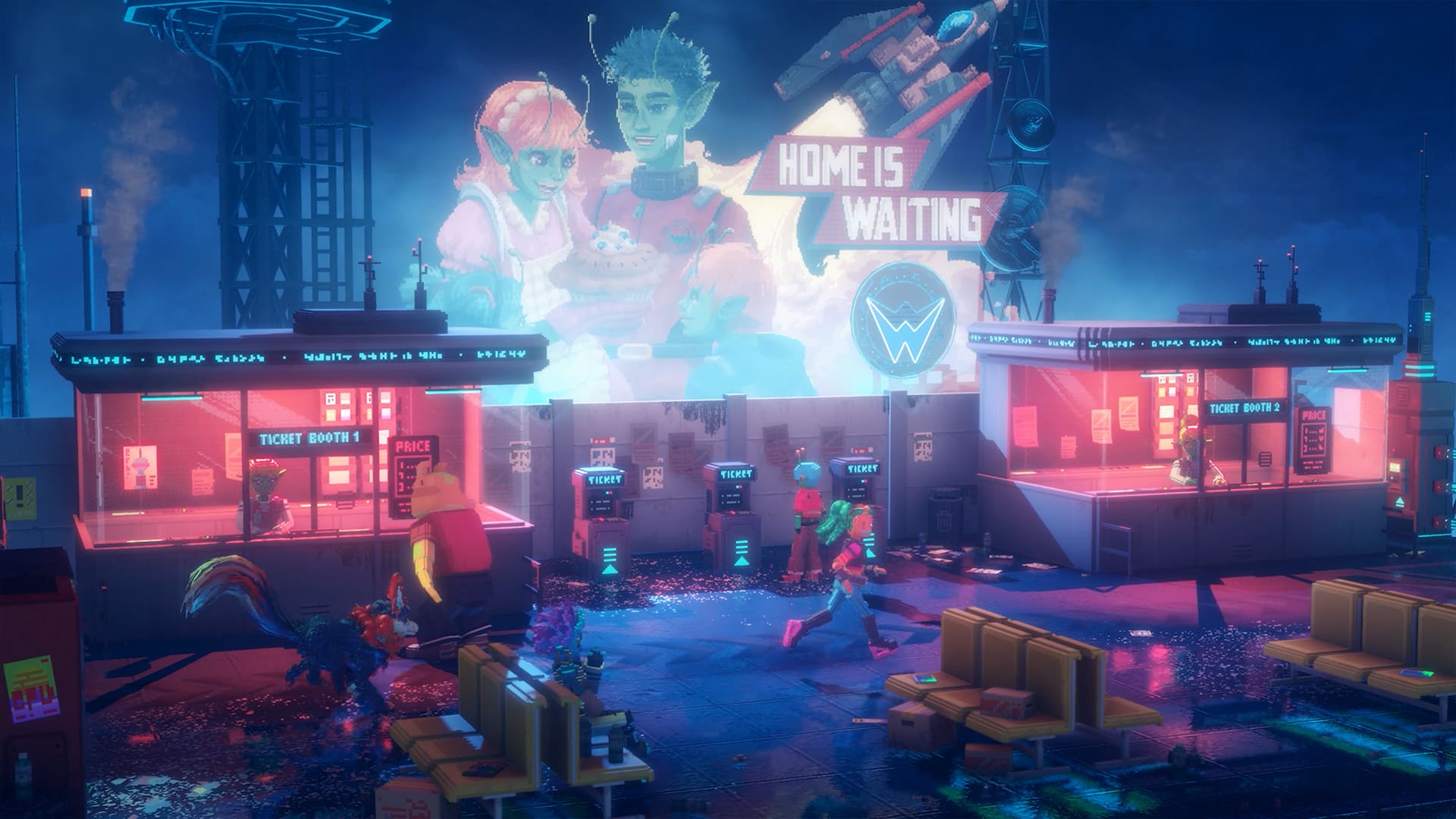
What makes the strongest impression about the game, of course, is the fantastic voxel-based visuals, which also build on those of its predecessor. Added to this are highly detailed character models and environments and backdrops that match the atmosphere and invite you to linger. The scenery is also beautifully varied, ranging from a peaceful sunset to a picturesque cabin by the lake, all the way to a bustling metropolis filled with towering skyscrapers and futuristic flying cars. The soundtrack is every bit as impressive as the visuals and successfully evokes a sense of ’80s nostalgia.

Conclusion
“I was actually surprised that Echo Generation 2 was released at all. After all, nothing about its predecessor pointed to a major success—even though the game was generally well-received by those who played it. But the sequel (or rather, the prequel) picks up where the original left off in meaningful ways while also doing things differently in equally meaningful ways. Unfortunately, this doesn’t really make it “good,” but rather average, leaving untapped potential in many areas. This includes, among other things, the combat system, which starts with a good premise but has little room to unfold. The individual character stories also sound good on paper at first and certainly managed to draw me in, but the way the four stories converge toward the end feels simply too abrupt and lacking in substance. And from that point on, the quality unfortunately declines across the board—except for the music and the visuals. It’s a shame; there could have been more here. However, anyone who already loved the first game will also have fun with the second one.“

- Story/Atmosphere: 70/100
- Game Design: 70/100
- Balance: 60/100
- Scope: 70/100
- Presentation: 90/100
The review key was kindly provided to us by the publisher.