
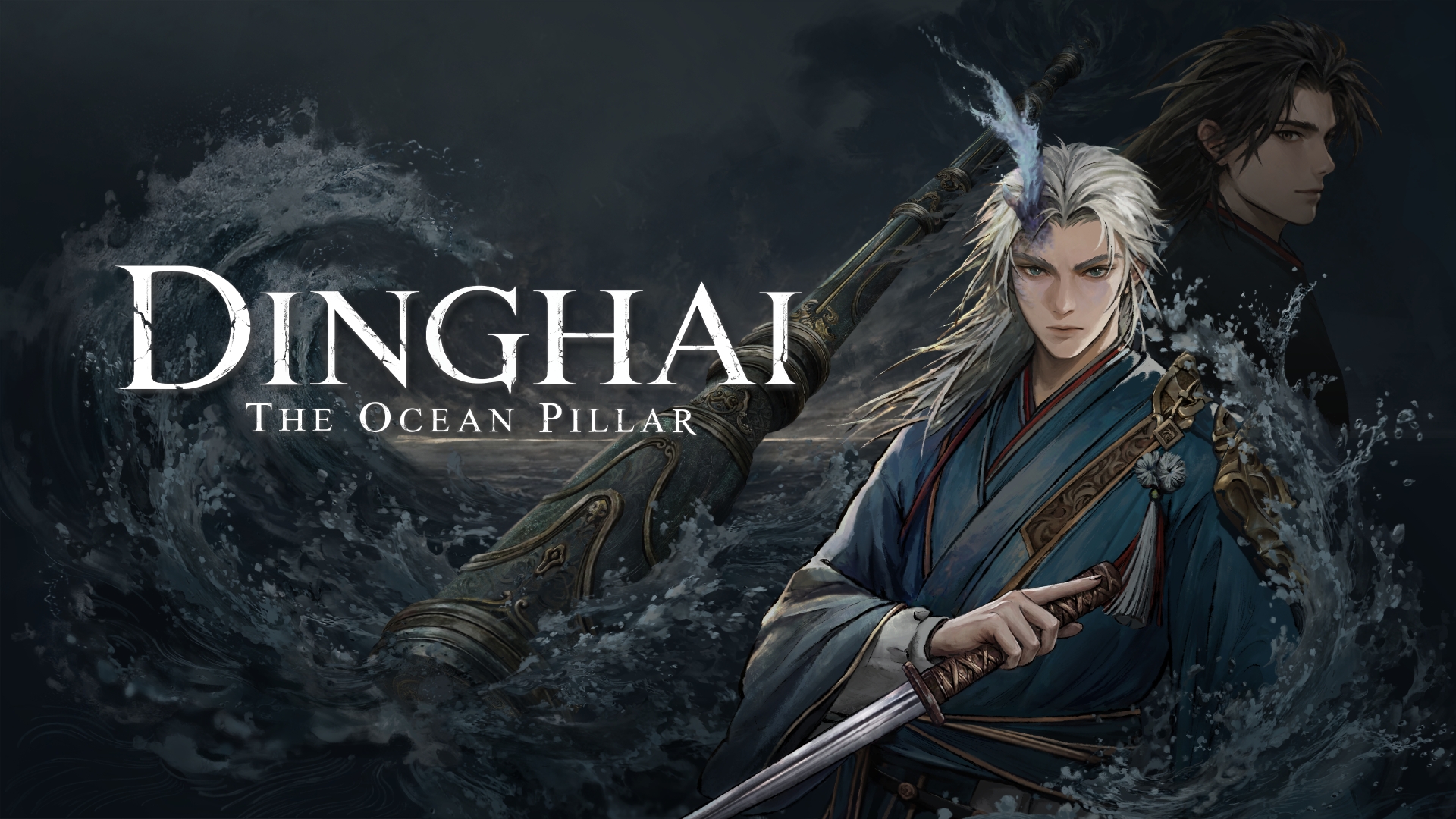
Dinghai: The Ocean Pillar, a challenging action RPG, blends Eastern mythology with a gameplay style reminiscent of both Wukong and Diablo.
In “Dinghai: The Ocean Pillar”, players enter a world steeped in Eastern mythology, encountering gods, demons, and forgotten powers. In terms of gameplay, the title draws inspiration from “Soulslike” games—such as “Dark Souls” or “Wukong”—while incorporating an isometric perspective and other elements familiar from classic action RPGs like “Diablo”, including looting and the development of diverse character builds. We took a look at the game’s demo to see whether it’s worth checking out.
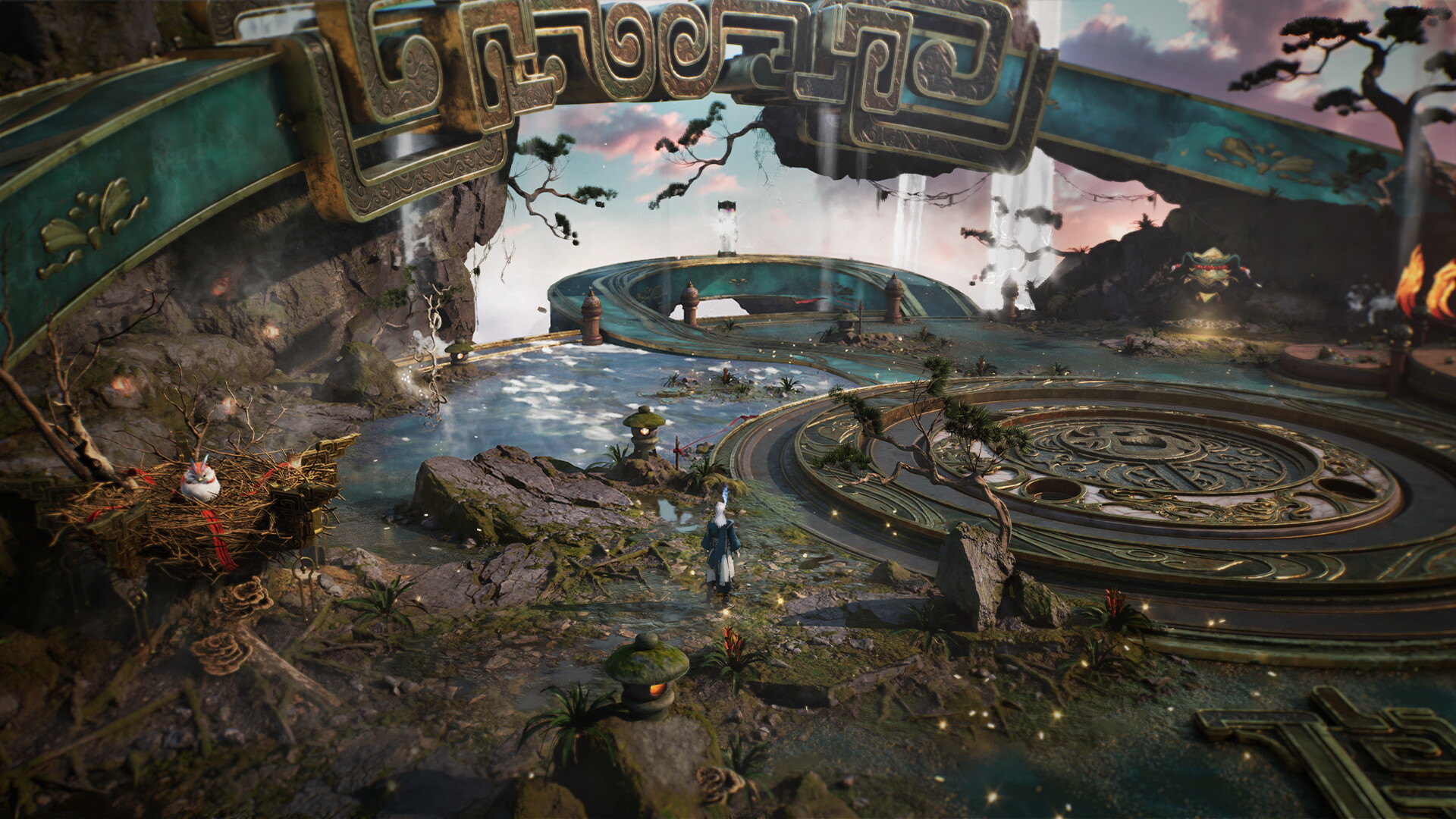
The Legendary Abyssal Dragon
The premise of *Dinghai: The Ocean Pillar* is straightforward: you are destined to become the “Abyssal Dragon”—a legendary general who once served under Emperor Yan. Centuries ago, however, he was exiled and ultimately fell in battle. Only a fragment of his soul has survived, and through a forbidden curse, it now takes possession of a character named Yi. The Abyssal Dragon has returned to the mortal realm to complete the tasks he left unfinished during his lifetime.
The combat system is the heart of the game; it allows us to fight using various weapons, employ special abilities, and combine elemental affinities. This enables the creation of powerful builds during each playthrough that we can leverage to our advantage. The option to equip and combine two weapons is particularly compelling—for instance, we might pair two melee weapons, or combine a melee weapon with a ranged one to create synergies and gain an edge in battle.
Rock-Paper-Scissors
Each weapon comes with unique abilities, a distinct move set, and an inherent elemental affinity. By cleverly combining these elements, we can gain an advantage over our opponents. The elements follow a “rock-paper-scissors” logic, where each one is strong or weak against others. This adds strategic depth to combat, meaning that choosing the “wrong” weapon can quickly backfire.
In general, the game’s progression is quite linear. We select our weapons and use a waypoint to travel to an area where our run begins—this could be a location we have already completed or an entirely new one. The map shows us in advance which resources and items can be found in each area, which is helpful when we are hunting for specific gear.
High Risk, High Reward
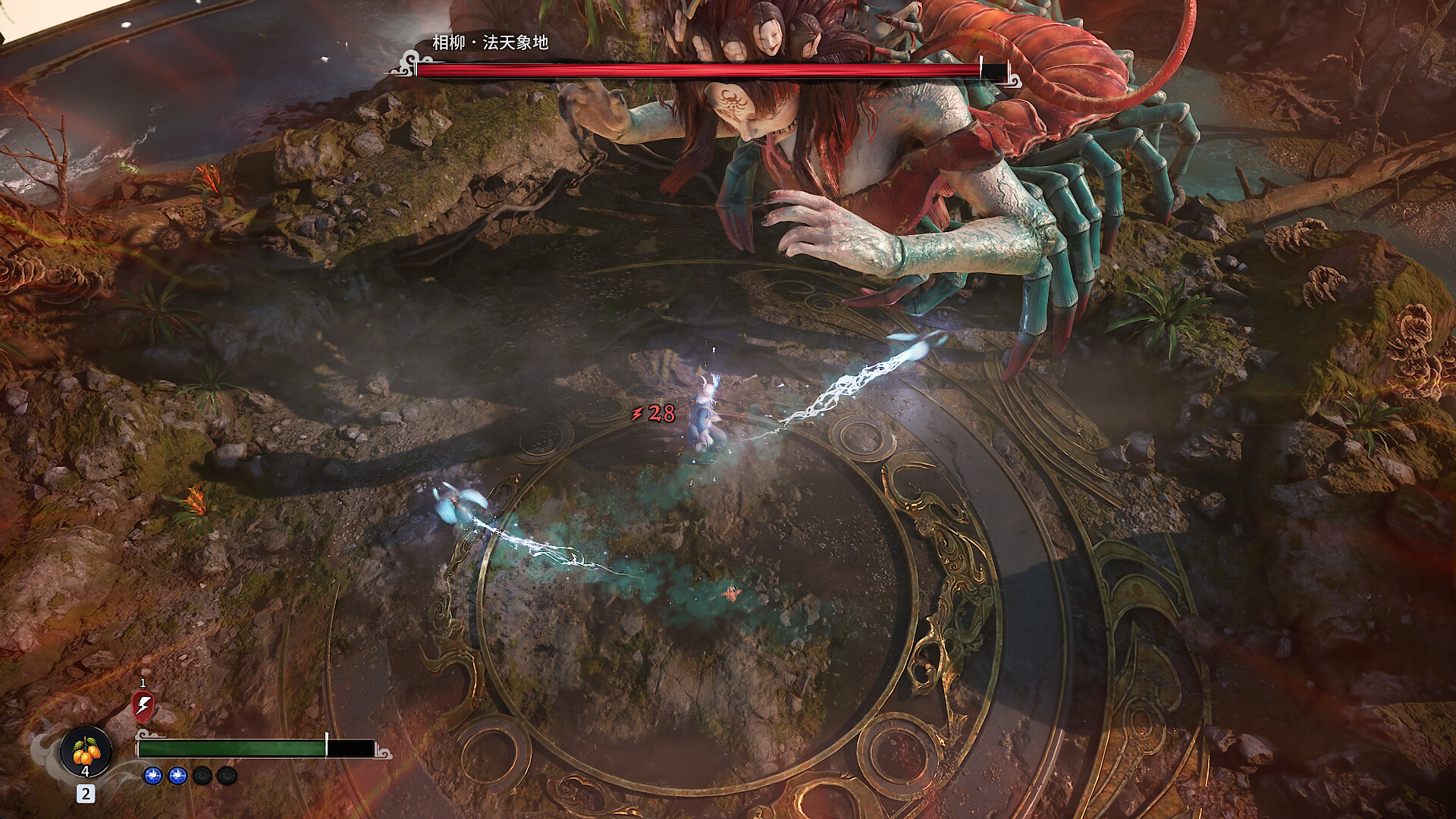
Every area we enter contains various types of encounters, ranging from selecting relics and facing elite challenges to battling bosses. Once an area is cleared, we choose our path forward, allowing us to exert some control over the events we encounter during our run. As is often the case, elite challenges feature mini-bosses that offer significantly better rewards than standard encounters, though they are also considerably tougher. You must carefully weigh the risks you are willing to take.
In “Dinghai: The Ocean Pillar”, every run contributes to your progress—regardless of whether or not you reach the boss. Throughout combat, you collect loot and items that you can bring back to the hub. These can either be used directly or exchanged for crystals, the game’s primary currency. You can then spend these crystals to unlock new equipment or abilities, which will (hopefully) help you get further in your next run.
Challenging Combat
The game’s combat is highly entertaining, yet also quite demanding. This is largely because ranged and melee enemies are often mixed together, creating a dynamic environment that requires you to stay hyper-aware of everything happening on screen. Dodging and parrying attacks are core mechanics; depending on the chosen difficulty level, parrying may be optional or absolutely essential for survival. If you don’t enjoy—or struggle with—parrying, you likely won’t find much enjoyment in “Dinghai”.
The boss fights, in particular, are quite demanding—true to the “Souls-like” genre, they require you to study attack patterns and identify the perfect window to land your own strikes. Furthermore, you must figure out which elemental affinities are effective against specific enemies—and which ones aren’t. While this process can take some time, it is a quintessential part of the experience in this genre.
Conclusion
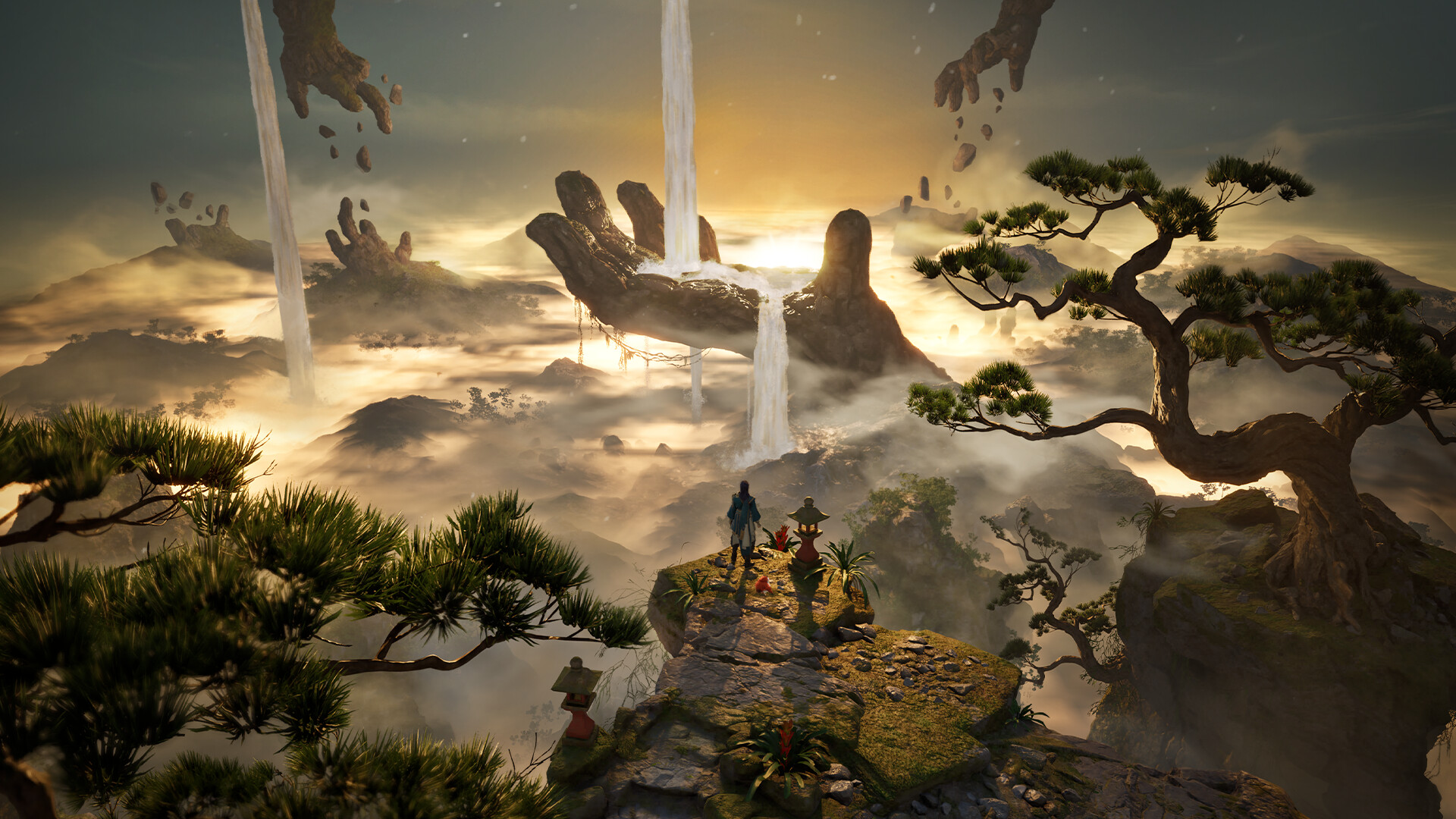
“So far, the demo for *Dinghai: The Ocean Pillar* makes a very solid impression. I encountered no technical issues during my testing, and the game is visually quite impressive. The enemy designs—especially those of the bosses—are exceptionally well-executed, and the level design occasionally invites you to pause and simply take in the scenery. However, the true core of the experience is undoubtedly the combat system; its versatility makes it genuinely fun—provided, that is, you have a knack for parrying attacks. Otherwise, things can get quite challenging. The variety of build options, in particular, encourages experimentation and replayability. If you enjoy games like *Wukong* or *Diablo*, you should definitely take a look at the demo, which is currently still available on Steam.”
Here you can find more information.