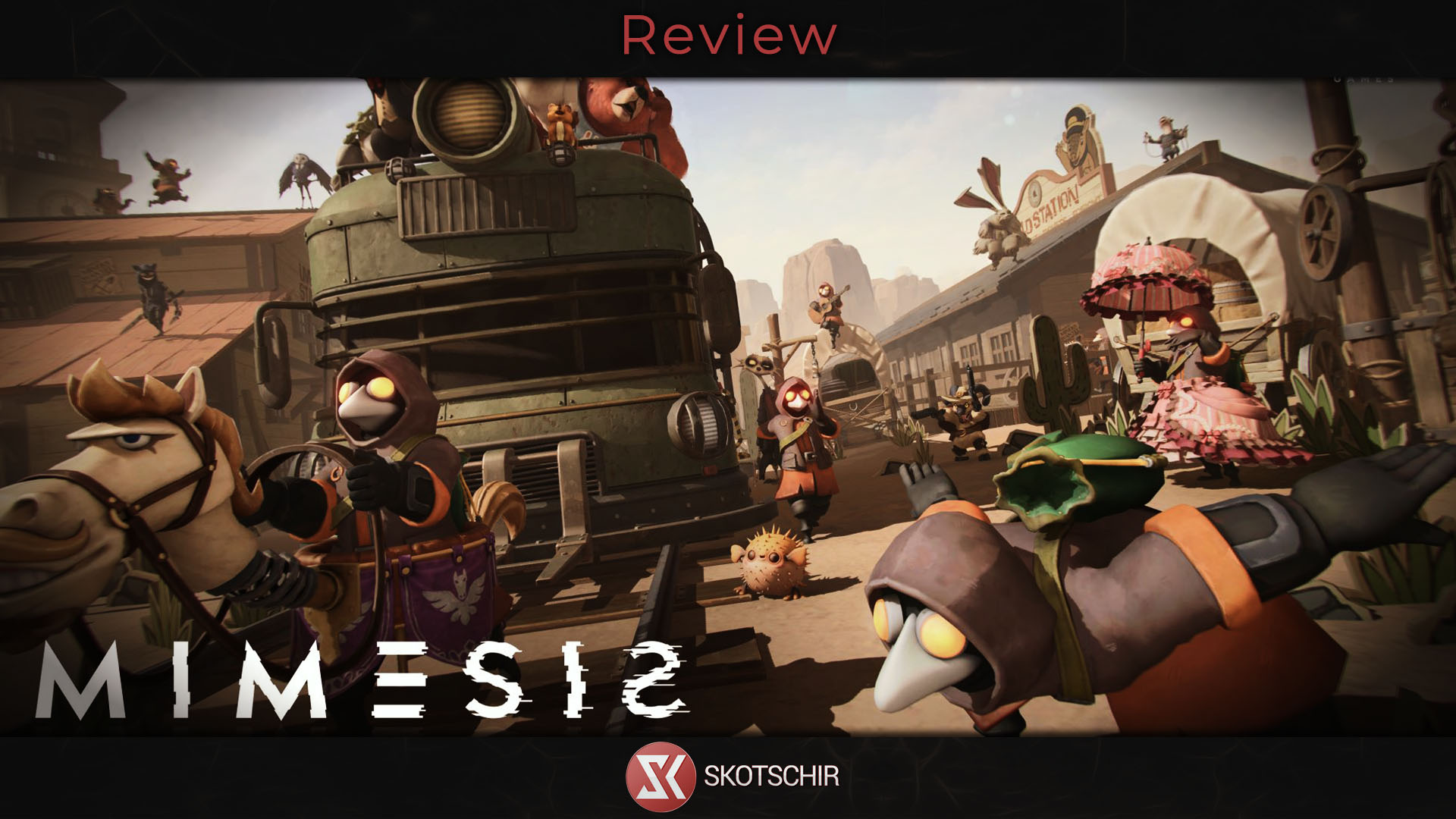
In MIMESIS, players cannot necessarily trust what they see or hear – yet they must still work together and find a way to survive.
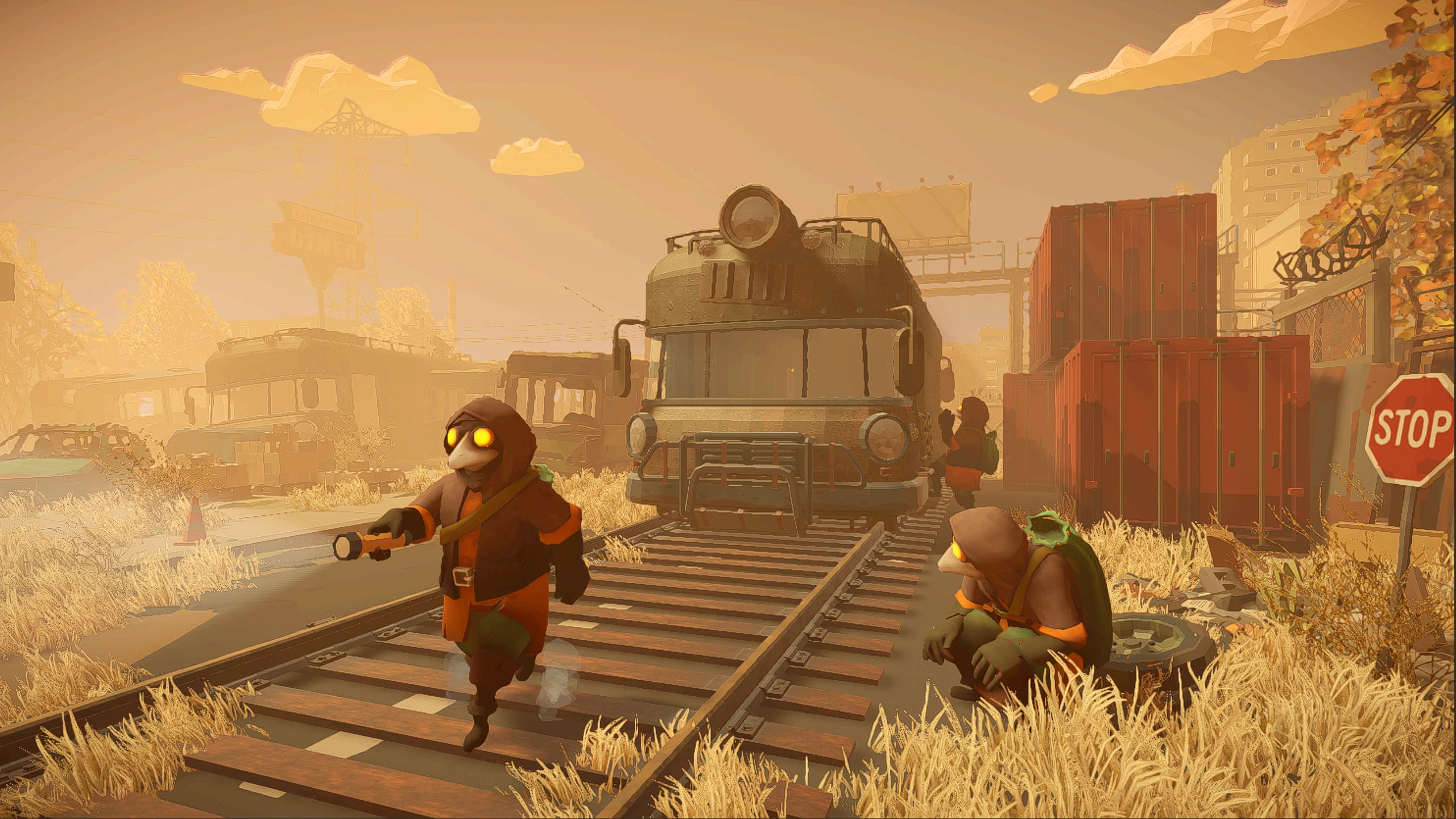
MIMESIS puts groups of friends—or anyone playing together—to the test. After all, they cannot rely on what they see or hear, as the creatures in this co-op survival horror game from ReLU Games and Krafton are capable of mimicking the voices and appearances of the human players. To succeed, the team must collaborate and gather resources; ultimately, however, what matters is who survives and whether the objective is achieved. We took a look at this Early Access title—here are our impressions.
Nothing Is As It Seems
In MIMESIS, nothing is what it appears to be, as the creatures in the game mimic the human players around them. This primarily concerns their voices and behaviors, forcing us to constantly question whether the person approaching us is truly one of our friends—or an imitator. This is precisely what makes the game so unique.
ReLU Games, the studio behind the title, deliberately opted for an Early Access launch to continue developing the game in collaboration with the community. This co-op survival horror game debuted about a year ago, on October 27, 2025. Several updates have been released since then; the most recent major update, arriving in September 2026, introduced a new map and new monsters. Leading up to the full release, the developers plan to add more regions, monsters, and equipment. Naturally, the AI system responsible for the mimicry will also continue to be refined.
Mechanics
As in similar games within the genre, players in MIMESIS must collect items to sell at a central hub in order to meet a quota. Consequently, teamwork is a crucial element—though it functions somewhat differently here than in most games. While the initial instinct might be to stick together, this is where the question of trust comes into play. Staying as a group can be advantageous, as it makes it harder for an imitator to blend in; however, it also carries a significant risk: if every member of a group meets their virtual demise, the round ends.
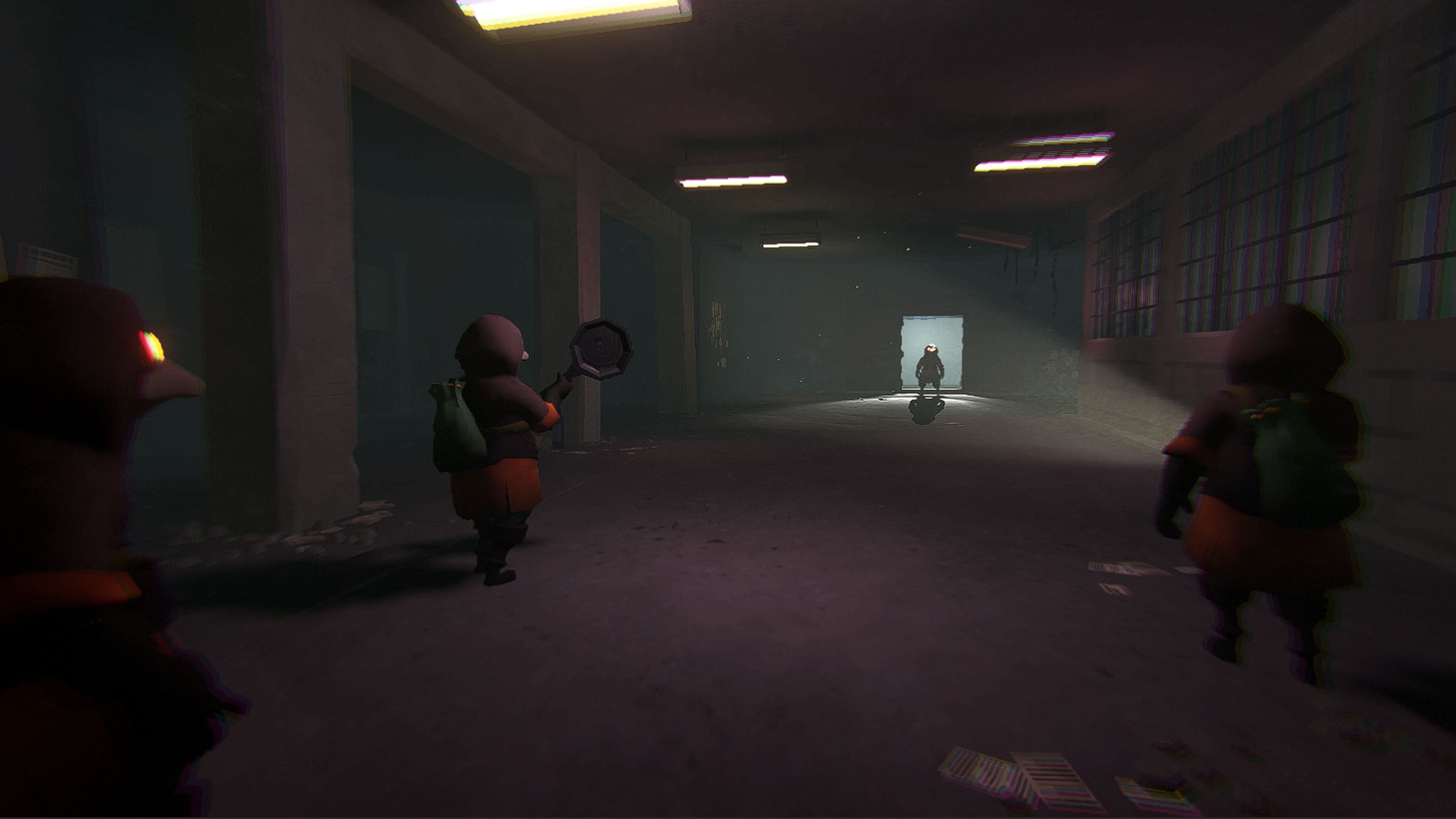
This creates a persistent tension that defines much of the gameplay. It forces us to consider how we might identify one another—or distinguish each other from the monsters. Perhaps we should develop a secret language? Specific terms or answers to questions? Or perhaps we should try a different method? Yet, despite such approaches, we’ve often found ourselves wanting to trust that the person standing before us is indeed our friend—only to regret it later.
Friend or foe?
Above all, we often forget that we still have an objective: to find items of high value and deposit them in the small tram. We have to focus on several things at once—which, over time, really starts to take its toll. After all, as we navigate the dark corridors found on most maps, we encounter not just friends and potential impostors, but also a host of other nasty characters—along with traps—that make survival quite a challenge.
Furthermore, our friends might decide to play around with the mimicry mechanic themselves. Once they’ve played a few rounds and grasped how the mimicry works, fellow players might choose to “troll” the group. This creates even more confusion and reinforces the feeling that we truly cannot trust anyone or anything—forcing us to question everything. This is the great strength of MIMESIS.
A constant balancing act
Another challenge is our limited inventory space. We can’t simply loot everything we come across; we must constantly weigh our options. Do we leave behind an item of lesser value, or should we head straight back to the tram—hoping we can remember where that item was located? Every decision in the game carries a risk—sometimes low, sometimes high.
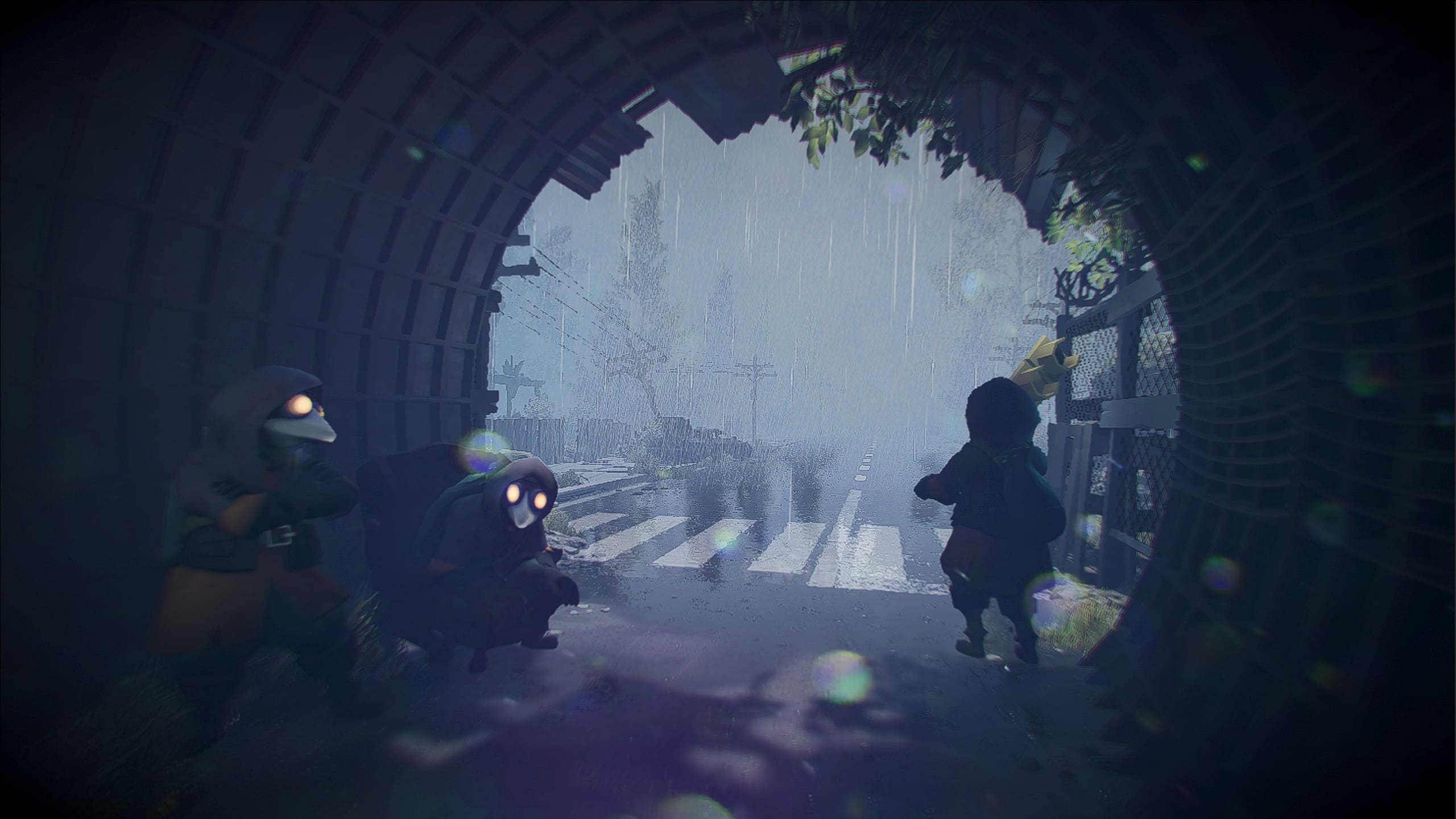
We are constantly striving to strike a healthy balance between exploration and survival. If we die prematurely, it doesn’t do the team much good. However, successfully securing valuable items can significantly boost our chances of success. However, the longer we spend on a given map, the harder it becomes to reach the tram alive—especially since dangers lurk not only inside the buildings but also outside. Out in the open, you may occasionally encounter toxic rain, which poses an additional threat.
Get out the shotgun!
If we make it back to our hub alive, we can use the money we earn to stock up on useful items. As long as we meet the quota, of course. These include, among other things, flashlights, objects that distract enemies or auxiliary objects that we can use to defend ourselves. The shotgun in particular is probably the most effective tool. But here too, caution is advised. After all, we should be sure that we are really dealing with an enemy before we pull the trigger. Especially because ammunition is limited – and expensive.
Anyone who thinks he or she can gain an advantage by trying to internalize the cards is thinking wrong. Because with every new session the cards change. Some doors open while others close. Or loot is in different places than before. This adds another layer of uncertainty. After all, we humans often trust what we know and orientate ourselves precisely on that basis.
Potential Monotony
While, as just mentioned, there are subtle variations across the maps, the fundamental look remains the same. Entrances are consistently placed in the same spots, and the surrounding environments often appear nearly identical. As a result, different locations in “MIMESIS” can end up feeling the same—or at least very similar. This is precisely why the developers are introducing new regions throughout the Early Access period, aiming to keep any sense of repetition to a minimum.
Fundamentally, the game’s core concept works well, provided that everyone has a microphone and uses the in-game communication system. If someone lacks a microphone, or if players opt for external voice channels, the title loses its greatest strength—and, arguably, its most enjoyable aspect.

Conclusion
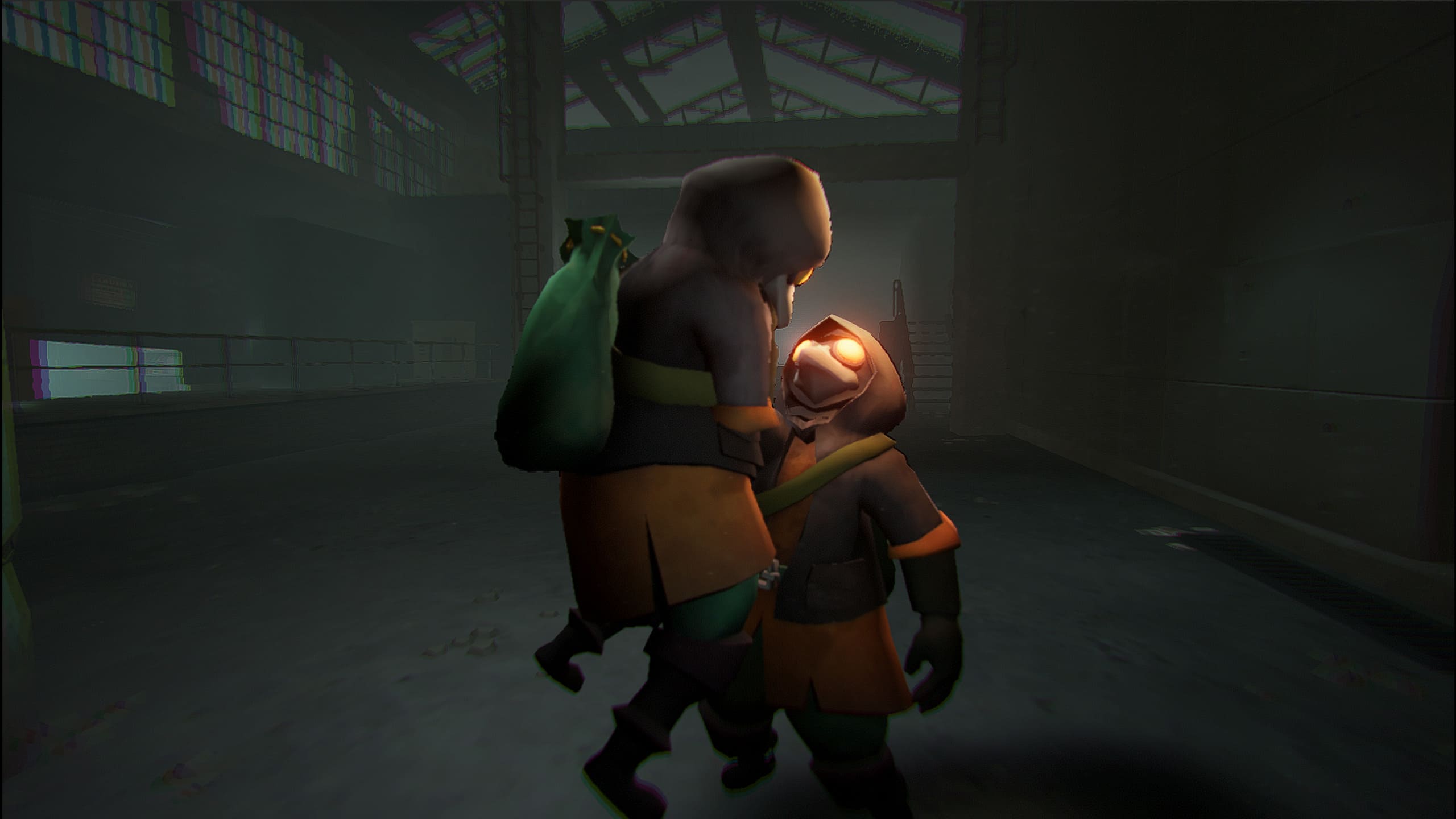
“MIMESIS is, of course, not a perfect game—its Early Access status already implies as much. Nevertheless, a great deal has changed during the year the title has spent in this phase. Its greatest strength—and what makes it truly unique—is the mimicry system. The core gameplay experience revolves around the constant need to question whether the person standing before you is actually a friend, all while searching for valuable loot and trying to avoid enemies. This is further complicated by the fact that other players might start ‘trolling’ by mimicking the mimic themselves. Overall, MIMESIS offers a genuinely fun experience for a group. If you enjoy playing games with your friends, you should definitely give this title a try—even now, while it’s still in Early Access.“
The review key was kindly provided to us by the publisher.